
Cumin Seeds
Cumin Seeds
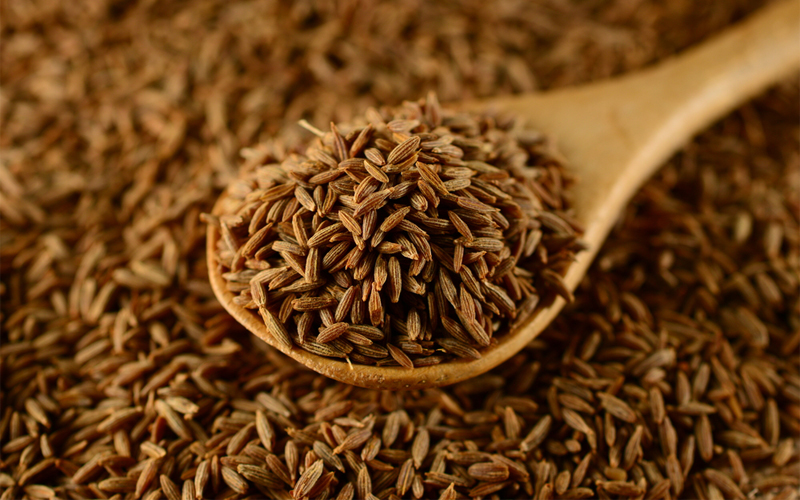
Cumin seeds (Cuminum cyminum) are aromatic dried fruits widely used as a spice in Indian, Middle Eastern, Mexican, and Mediterranean cuisines, valued for their warm, earthy flavor and strong medicinal properties. They are rich in essential oils such as cuminaldehyde, along with flavonoids and phenolic compounds that provide powerful antioxidant, anti-inflammatory, and antimicrobial effects. Nutritionally, cumin seeds are a good source of iron, manganese, calcium, magnesium, and dietary fiber, playing an important role in supporting hemoglobin formation, bone health, and digestion. Cumin is especially known for its digestive benefits, as it stimulates the secretion of digestive enzymes, reduces bloating and gas, and improves nutrient absorption, making it effective in managing indigestion and irritable bowel symptoms.
Regular consumption of cumin may help regulate blood sugar levels by improving insulin sensitivity, support weight management by enhancing metabolism, and promote heart health by lowering bad cholesterol and improving blood circulation. Additionally, cumin has been traditionally used to boost immunity, improve memory, and support lactation in nursing mothers, though excessive intake may cause heartburn or interact with certain medications if consumed in large amounts.