
Banana
Banana
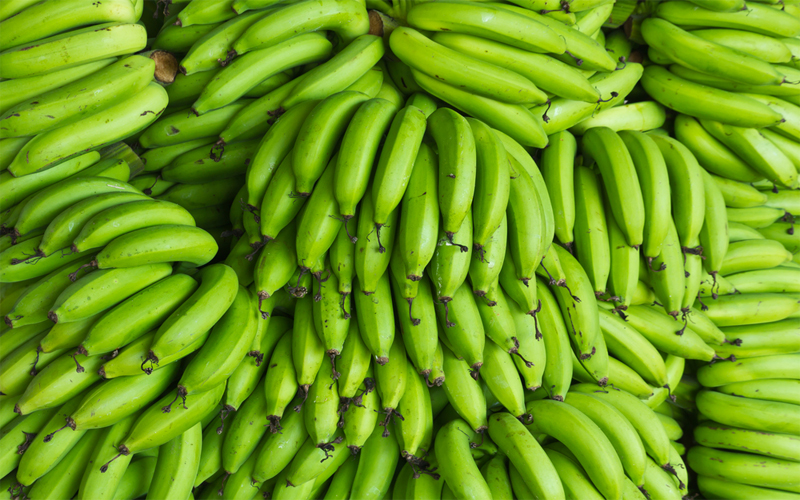
Banana (Musa species) is one of the most widely consumed fruits in the world, valued for its convenience, natural sweetness, and high energy content, with origins in Southeast Asia and Papua New Guinea. It is an excellent source of carbohydrates, particularly natural sugars like glucose, fructose, and sucrose, making it a quick and sustained energy provider, especially for athletes and physically active individuals. Bananas are rich in potassium, which plays a vital role in maintaining fluid balance, nerve transmission, muscle contraction, and heart rhythm, along with magnesium that supports muscle relaxation and bone health. They also provide vitamin B6, vitamin C, and dietary fiber, including pectin and resistant starch (especially in unripe bananas), which promote digestive health, improve gut microbiota, and help regulate blood sugar levels.
Bioactive compounds such as dopamine and catechins act as antioxidants, protecting cells from oxidative stress and inflammation. Regular banana consumption may support cardiovascular health by helping control blood pressure, aid digestion and prevent constipation, enhance mood and brain function by supporting serotonin production, and protect the stomach lining against ulcers, though excessive intake may contribute to weight gain or elevated blood sugar levels in individuals with diabetes if not consumed in moderation.